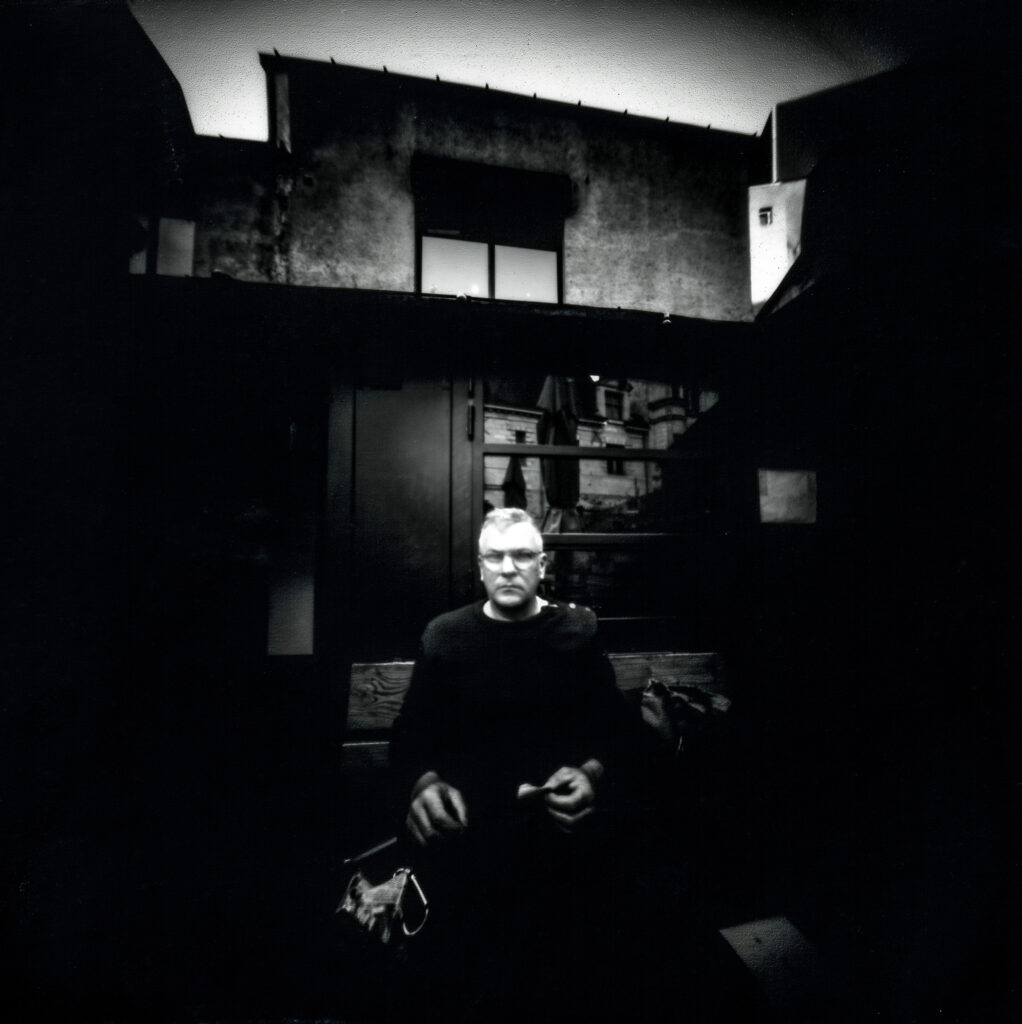
Laurent Barbin
Lives and works in Angers.
Graduated from the Beaux-Arts de Nantes in 1998.
Has practiced pinhole photography since 2025.
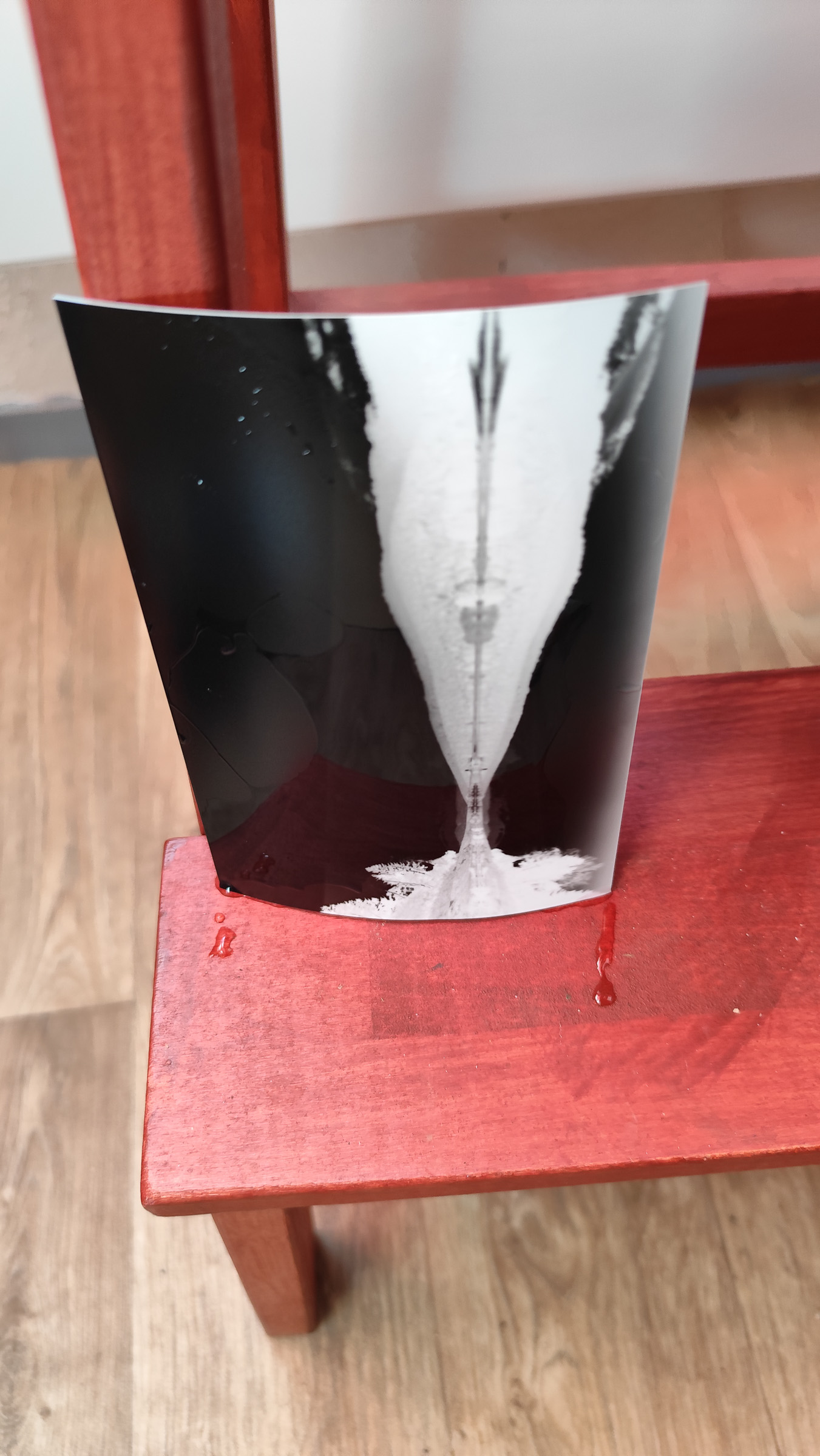
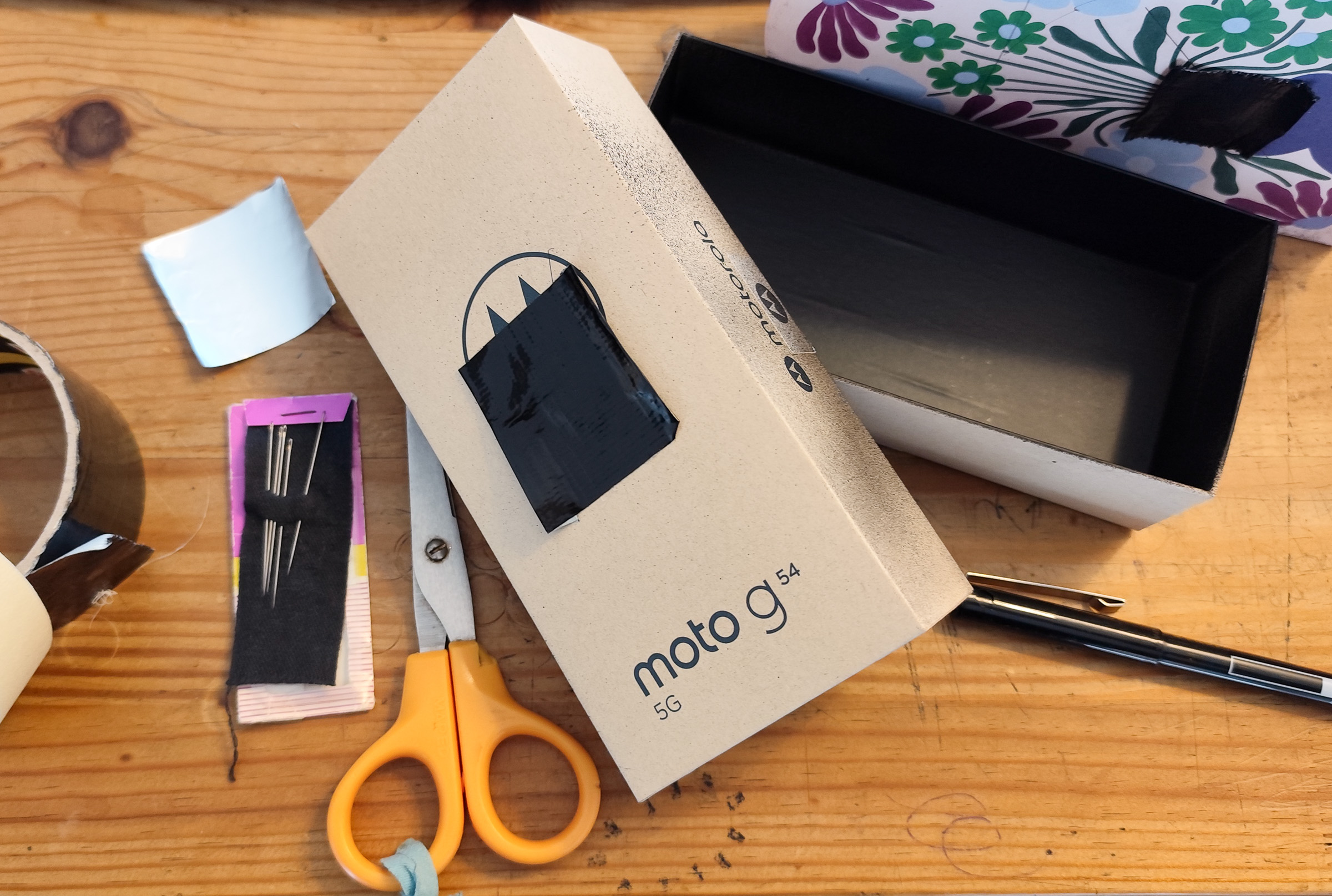
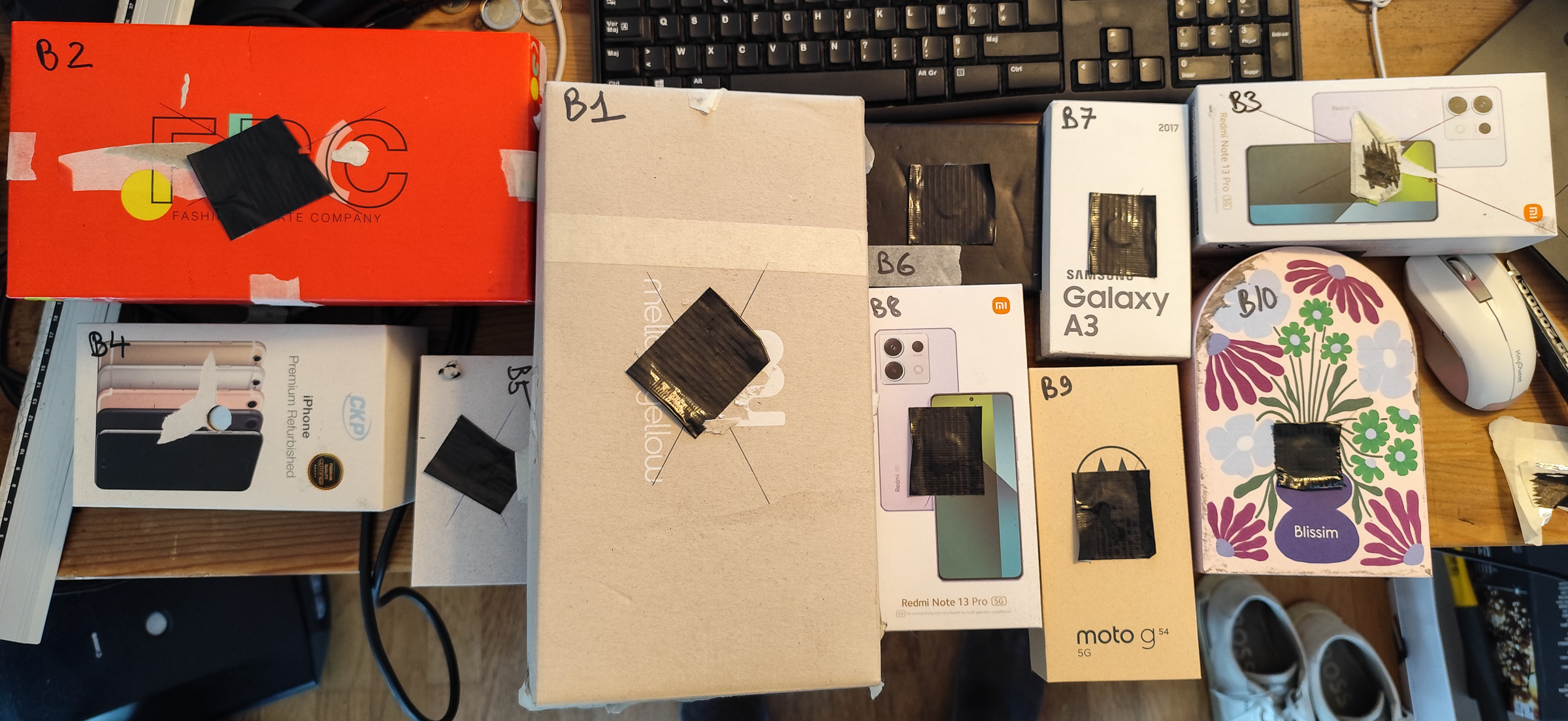
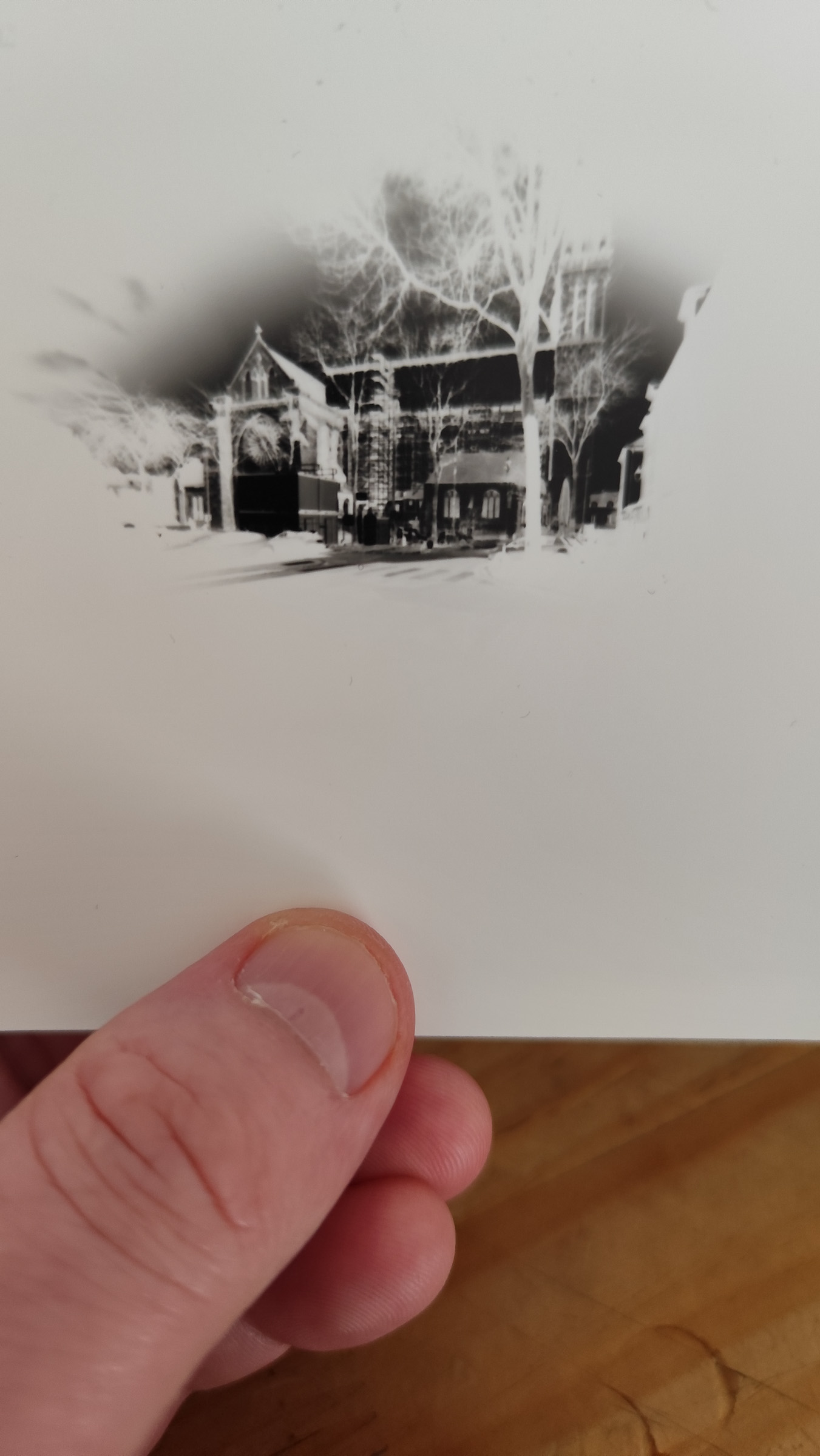
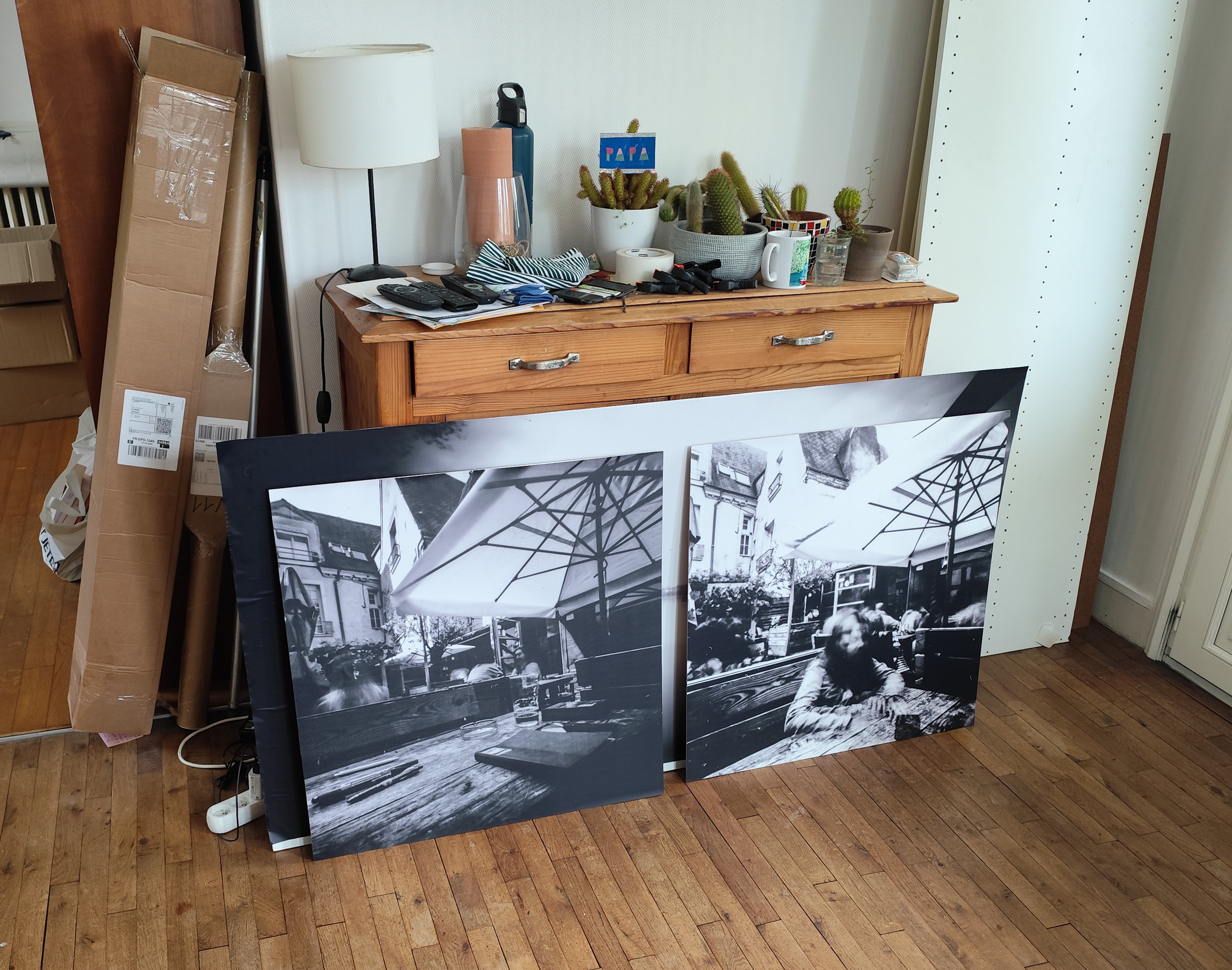
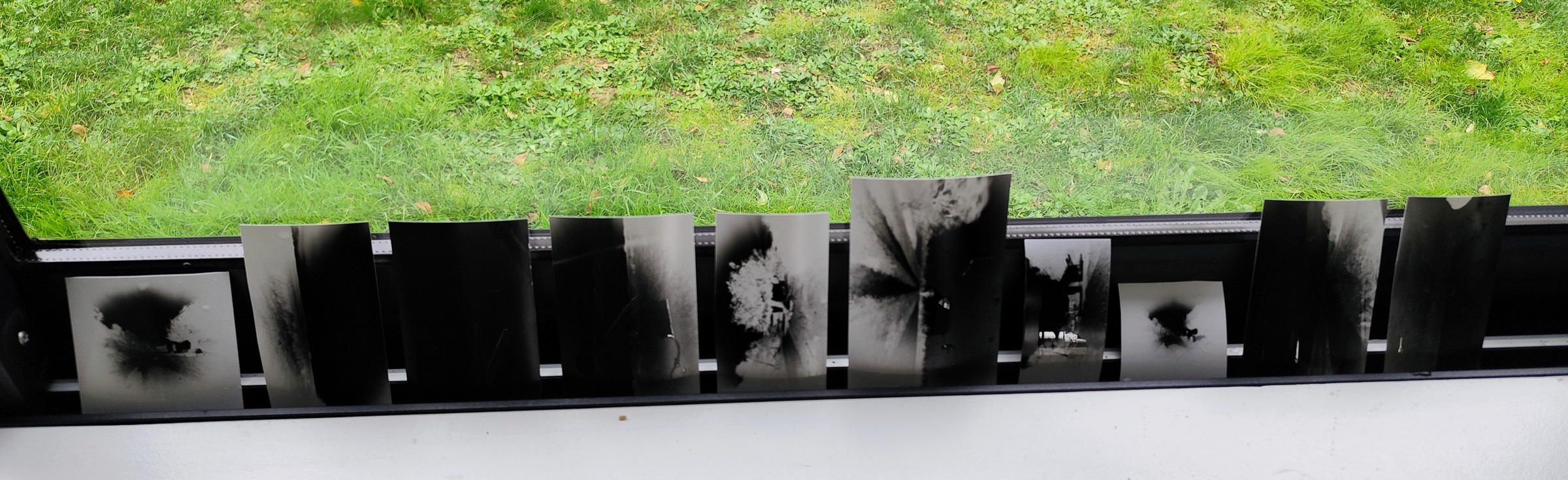
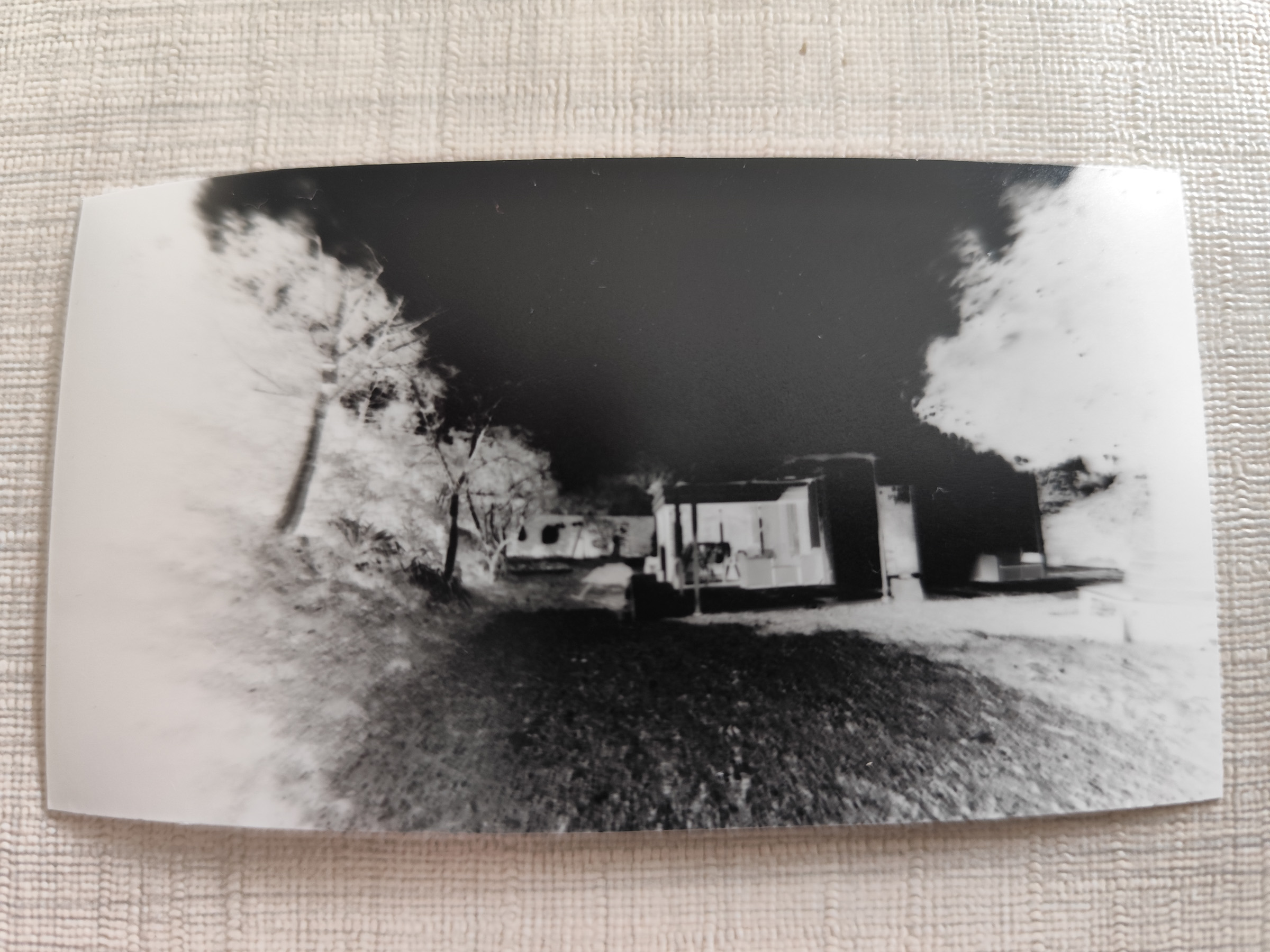
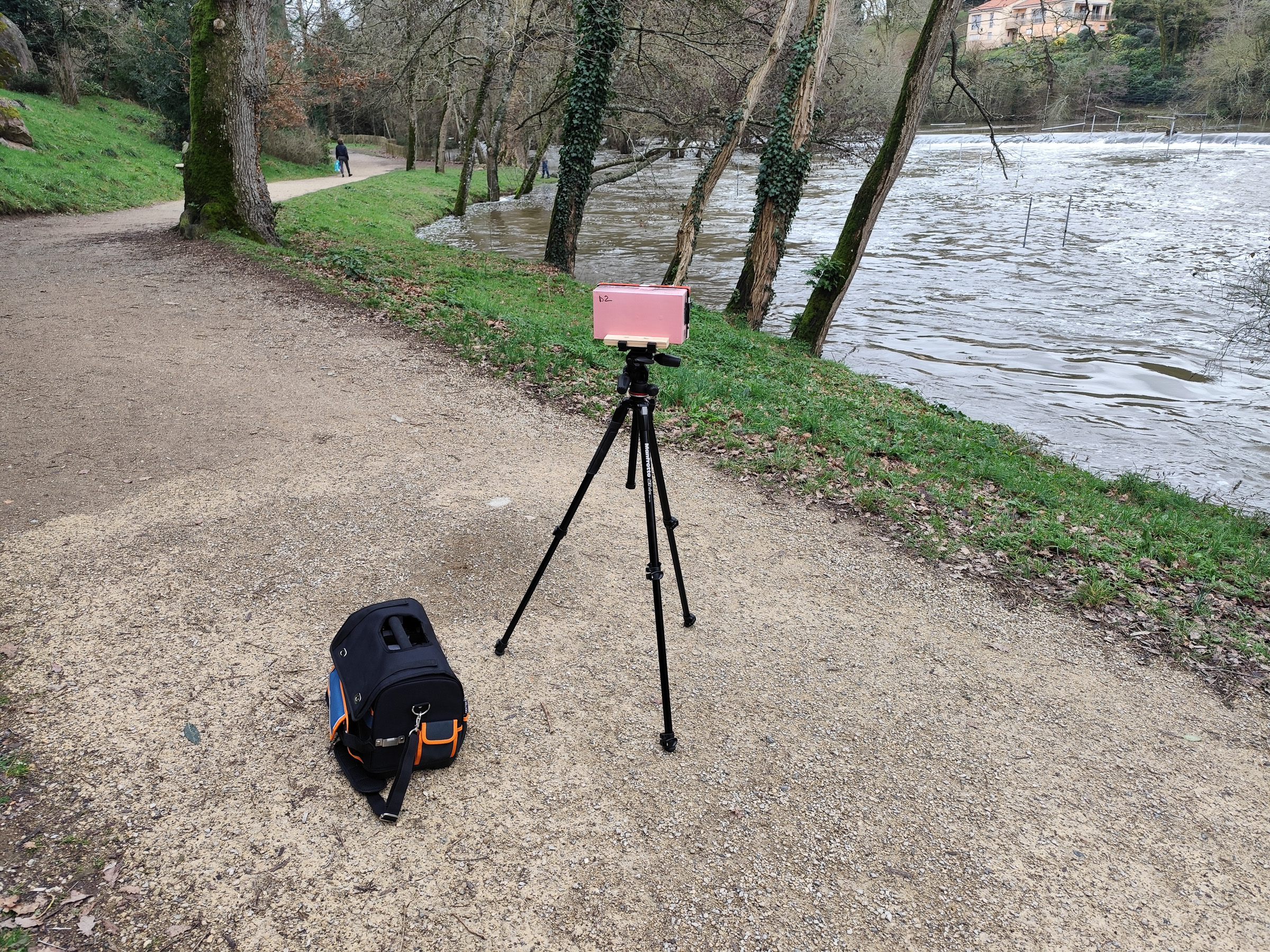
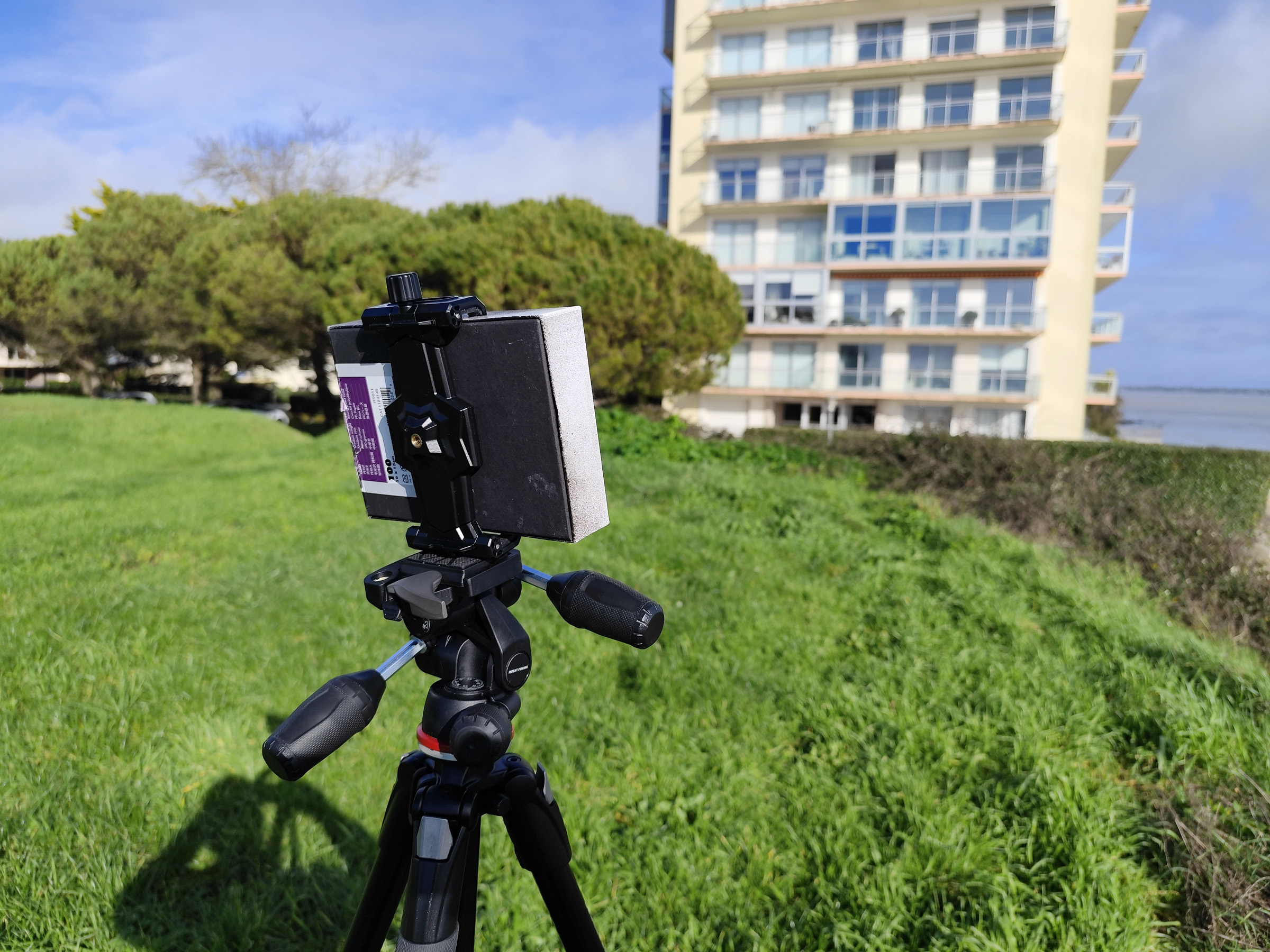
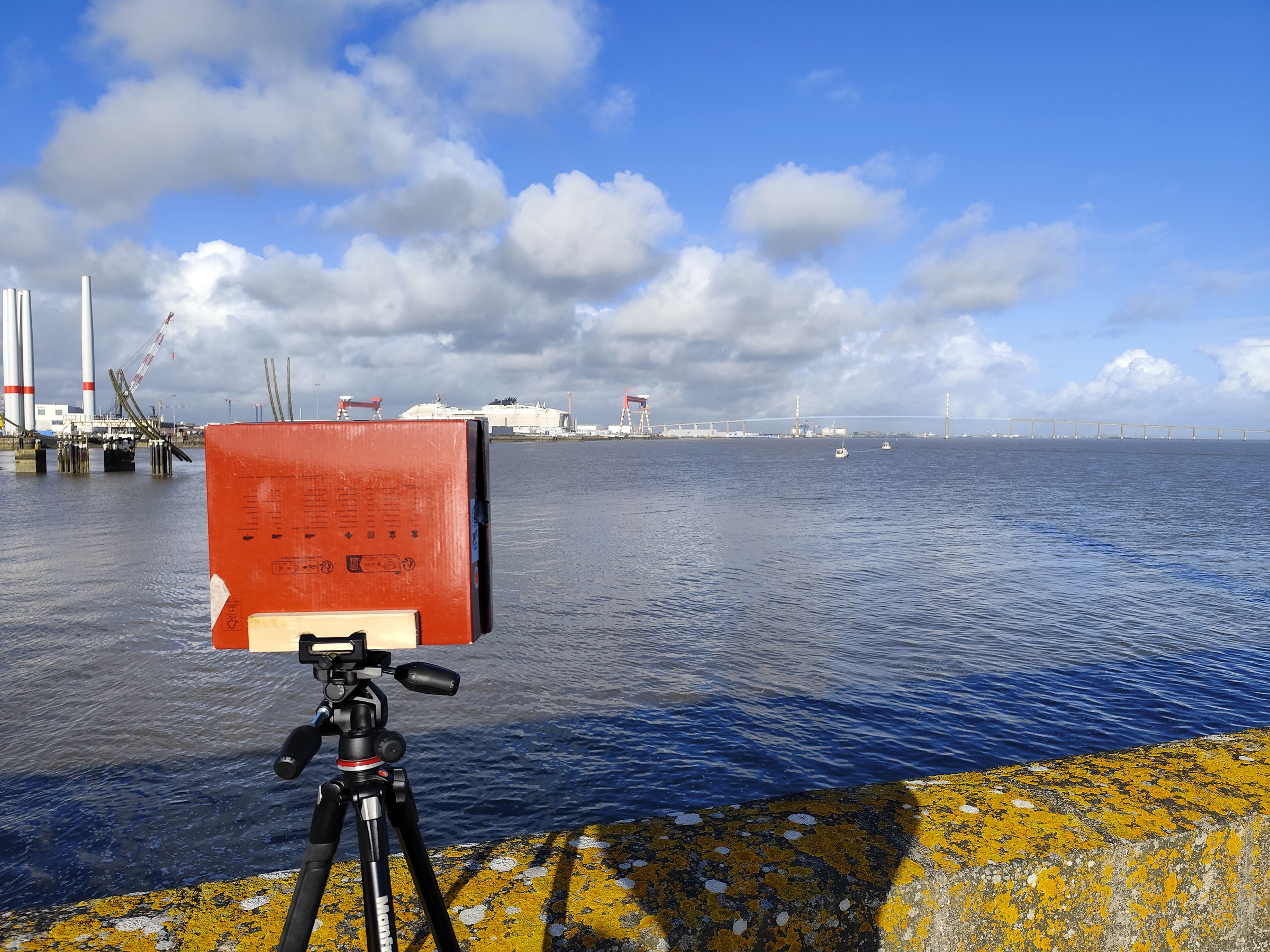
I prepare and handle cardboard boxes to make pinhole cameras. This archaic device gives me back control over how images are made. I photograph with these boxes, then develop the imprints they produce. I am looking for something like an out-of-time gaze, made of a slowed-down light that illuminates more than what is in front of our eyes. Whoever looks should wonder: “did this really happen?” and the possibility should arise of a fracture in the stories impressed in each image.
Biographical notes
I learned photography in a high-school darkroom. My father, who liked that I loved photography, set up a small darkroom for me in his attic.
I practiced developing and printing from 1990 to 2000, as an apprentice, trying never to lose the childlike magic that lit me up and revealed me to myself.
When I arrived at the Beaux-Arts de Nantes, photography seemed daunting to me, so serious and surrounded by intellectuals I did not understand.
I began practicing video, the nascent digital arts, electronic music. Little by little, I drifted away from photography.
The last few shots developed in that darkroom are pinholes, which I experimented with almost as a joke, to play the image magician in front of a girl who was impressed and charmed by it. I had a roughly pierced shoebox: I made about twenty images with it.
At the Beaux-Arts, I scan the negative sheets and flip them in Photoshop 2 or 3. I print a giant enlargement of a landscape caught through my bedroom window on A4 sheets. I tape the A4 sheets together and painstakingly manage to make a poster of one meter ten by one meter ten, which has followed me ever since through every move.
The house that held the darkroom was sold. It remained like an unfinished story.
In 2006, I bought my first digital camera. In the months and years that followed, I took tens of thousands of photos with great eagerness, without any project, and when I became a “photographer-and-family-man”, I resigned myself to believing that this was the whole project: taking snapshots of a life that slips away from image to image.
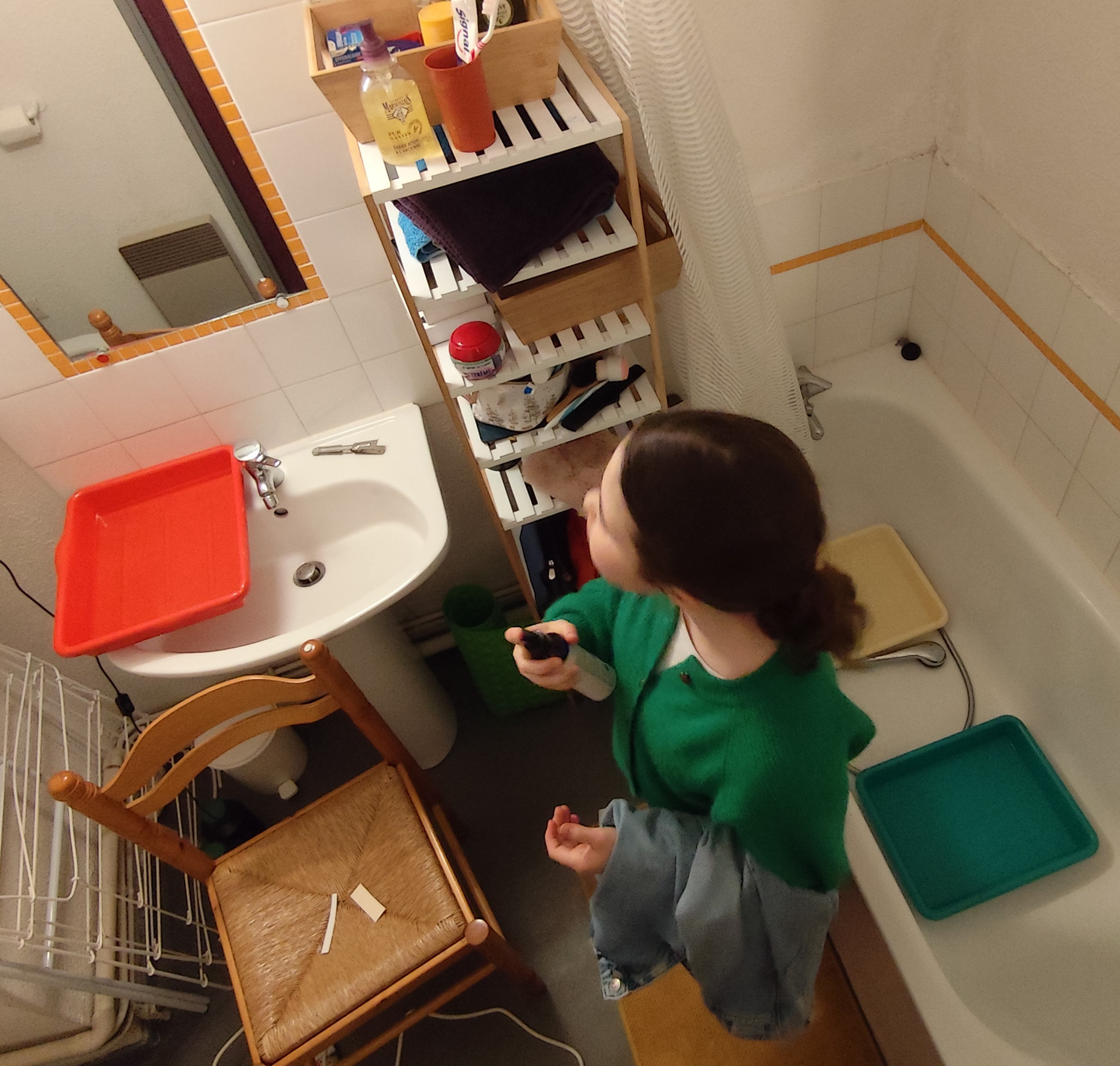
At the end of 2024, my father-in-law finds three red/green/white photographic developing trays in his attic. He provokes me by brandishing them in front of me: “You don’t know what this is!”
I do.
He gives them to me. The temptation is irresistible to reveal images again with that chemistry, in the dark-red, erotic atmosphere of safelight.
I don’t know whether silver photography still exists. I don’t want to be nostalgic.
I look for, and cling to, a reassuring name: Ilford. It is the brand with which I discovered the high-school photo lab.
Ilford is there. I’m not sure how these products survived. I feel a pang of joy in my chest. The practice seems alive. I order equipment to set up a darkroom in the bathroom and make pinholes again. I want to rediscover the magic of the shoebox.
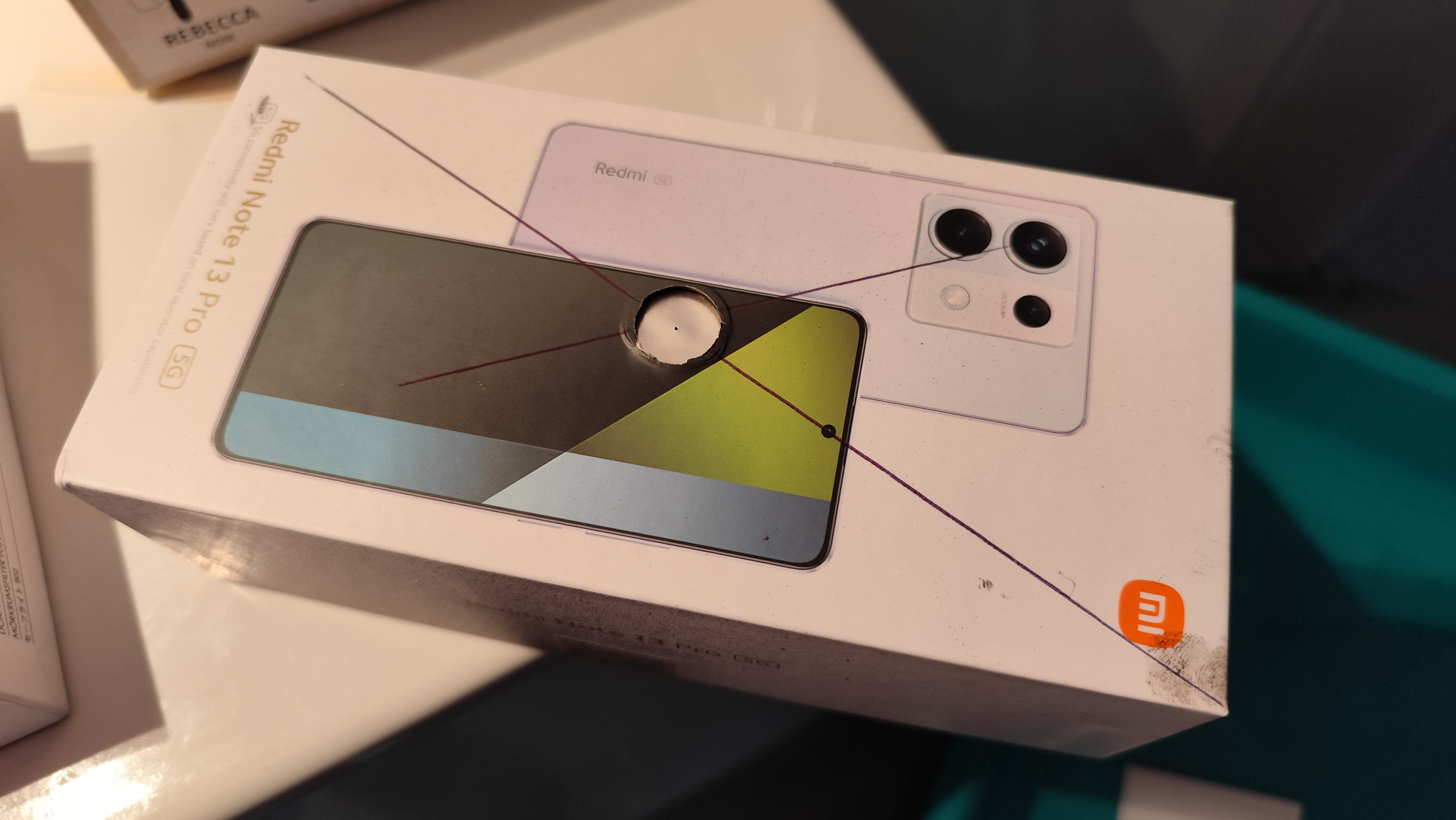
I walk into a shoe shop, which gives me a box. With a needle, I pierce a hole in the lid. I am a magician.
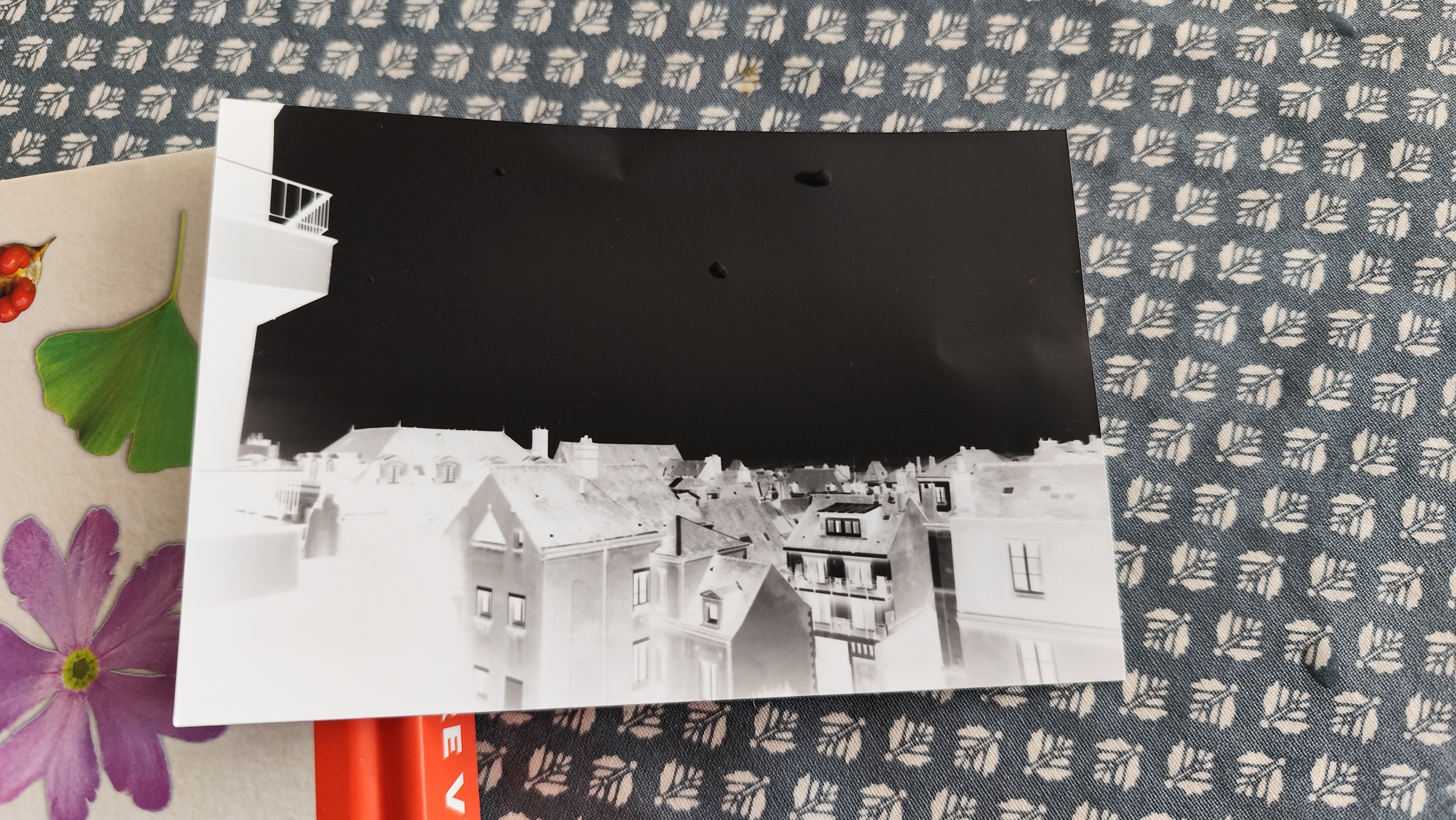
My “Point de vue du gras” is achieved in a 20-second exposure from the balcony on boulevard Foch, in Angers. In the apartment’s bathroom: the trays, red for the developer, white for the stop bath, green for the fixer. A red lamp instantly changes the function of the room and the first image rises.
Since then, I have been working to make the hole narrower, the box steadier, the time ever thicker on the photographs. I would like something in these images to remember how one might see.